Explore practical tips, success stories, and industry updates designed to help Malaysian businesses thrive.
Stay Ahead with Our Insights
What Is brioHR? Features, Modules and Pricing Guide for Malaysian SMEs
brioHR explained for Malaysian SMEs: payroll with EPF, SOCSO, EIS and PCB, leave, claims and attendance modules, plus pricing. Book a free iDynamics demo.
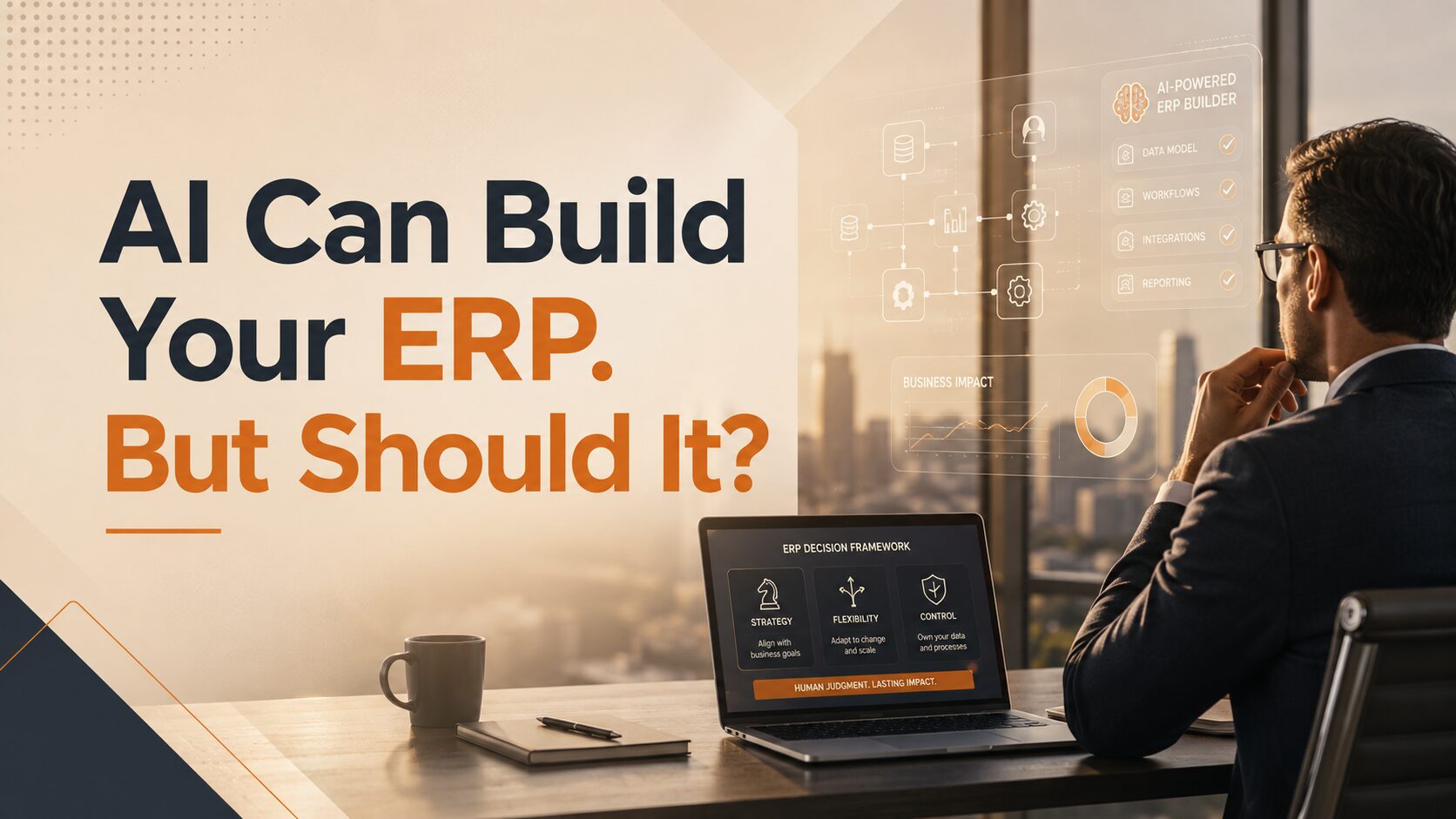
AI Can Build Your ERP. But Should It? Artificial intelligence is changing the way business software is built. What previously required months of development, large technical teams and significant budgets can now sometimes be prototyped in days or weeks. AI-assisted coding tools can generate applications, workflows, dashboards, integrations and even fairly complex business systems much […]
E-Invoice Penalties in Malaysia: What Happens If You Miss the Deadline
📌 Key Takeaways Legal basis: Failure to issue an e-invoice is an offence under Section 120(1)(d) of the Income Tax Act 1967. Penalty: RM200 to RM20,000, or up to six months imprisonment, or both, per offence. Per invoice: Each non-compliant e-invoice is a separate offence, so exposure multiplies. Relaxation: Phase 4 businesses have until 31 […]
📌 Key Takeaways What it is: A self-billed e-invoice is created by the buyer instead of the supplier. When: Common for foreign suppliers not on MyInvois, and commissions to agents, dealers and distributors. Consolidation: Allowed only in limited, defined cases; otherwise issued individually. Standard rules: Same validation and mandatory fields as any other e-invoice. Table […]
How NetSuite Handles Malaysia E-Invoicing Compliance
📌 Key Takeaways Native integration: NetSuite connects to LHDN MyInvois via API, generating e-invoices from source transactions. Automated data: Mandatory fields and TINs are held in master records, cutting validation failures. Rules enforced: Consolidation and the RM10,000 individual-invoice threshold are handled in the ERP. Best fit: Mid-sized, multi-entity or cross-border businesses; smaller SMEs may suit […]